SEMAGLUTIDE
16 products
Filters16 items
Price Range
Min: $69Max: $336
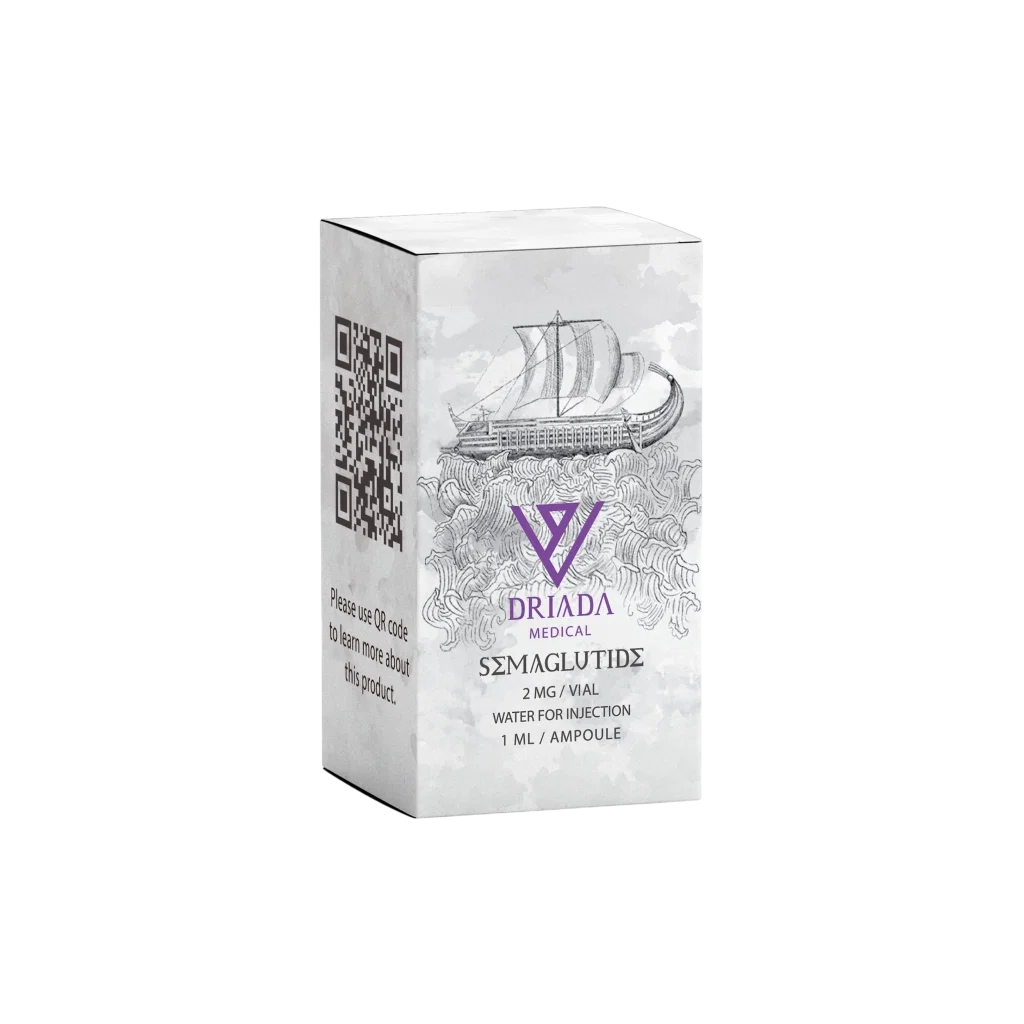

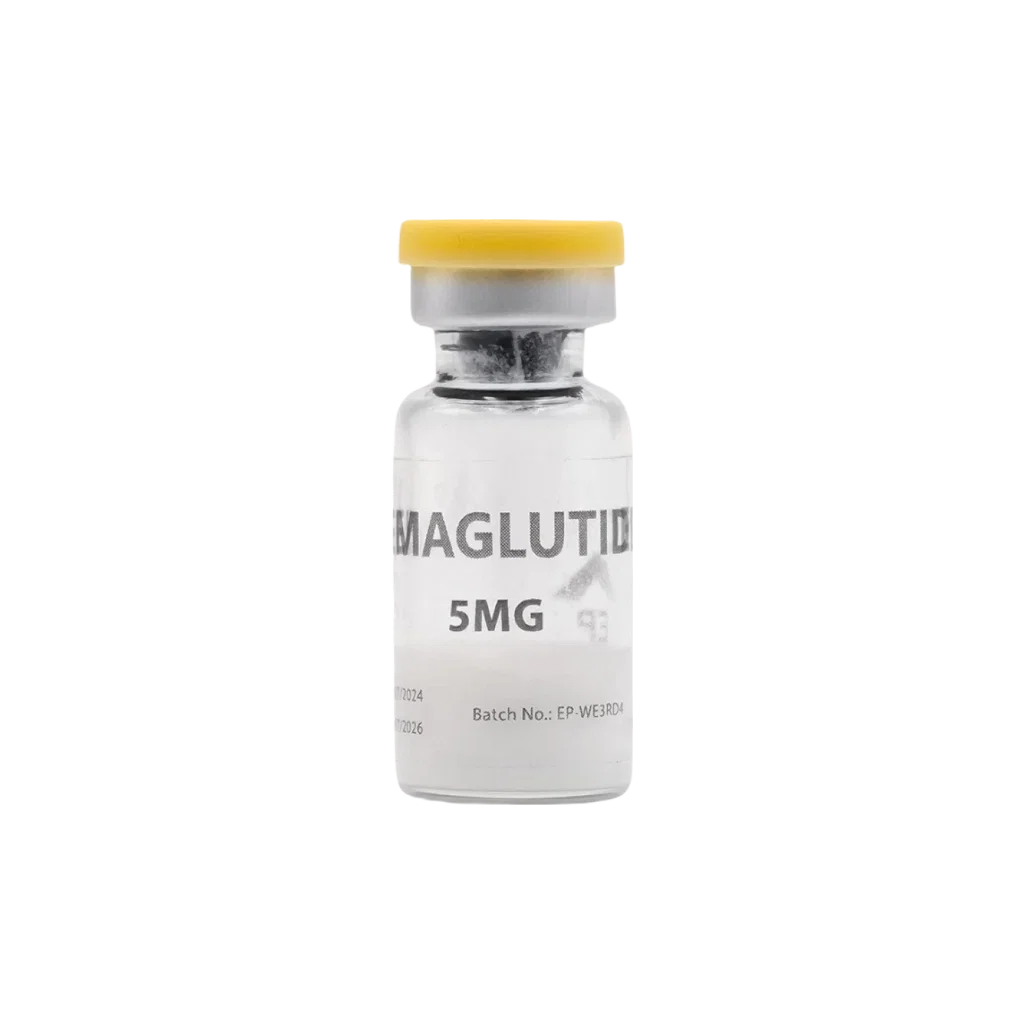
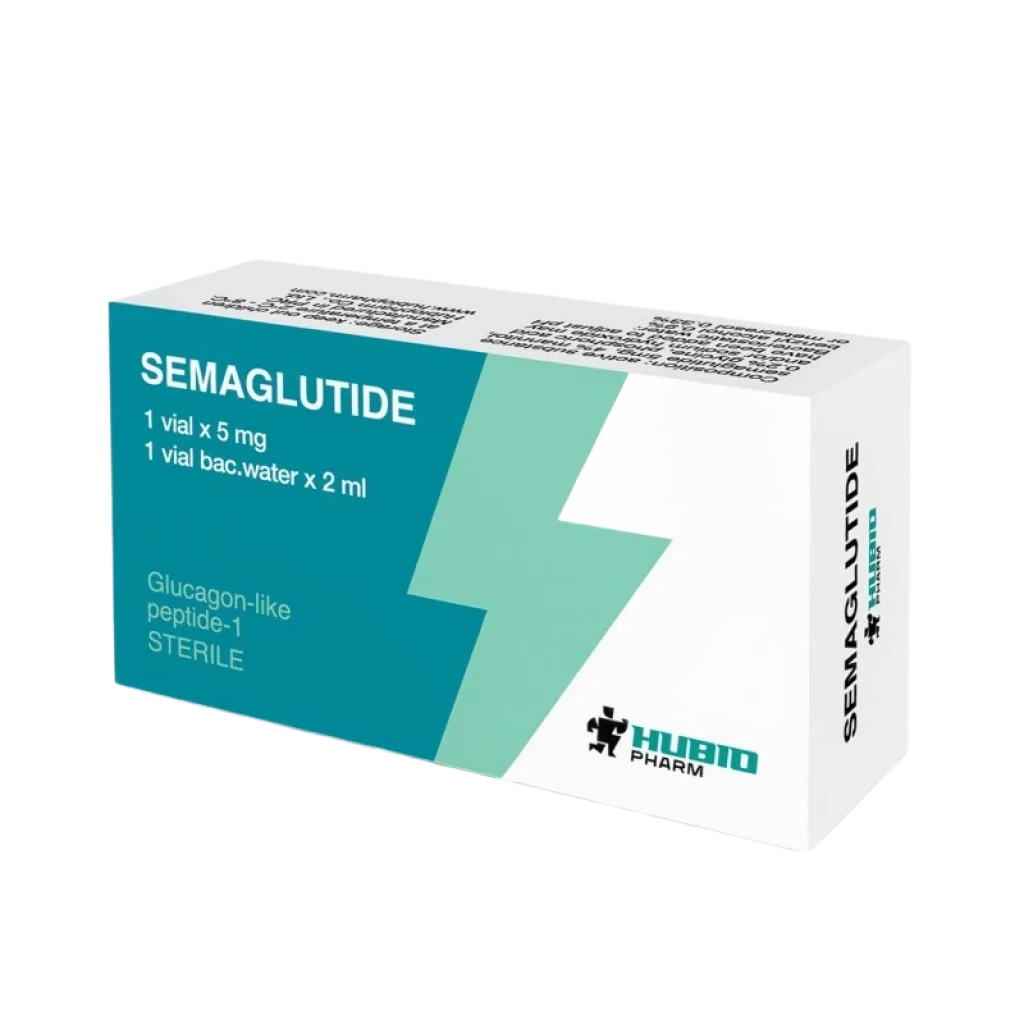

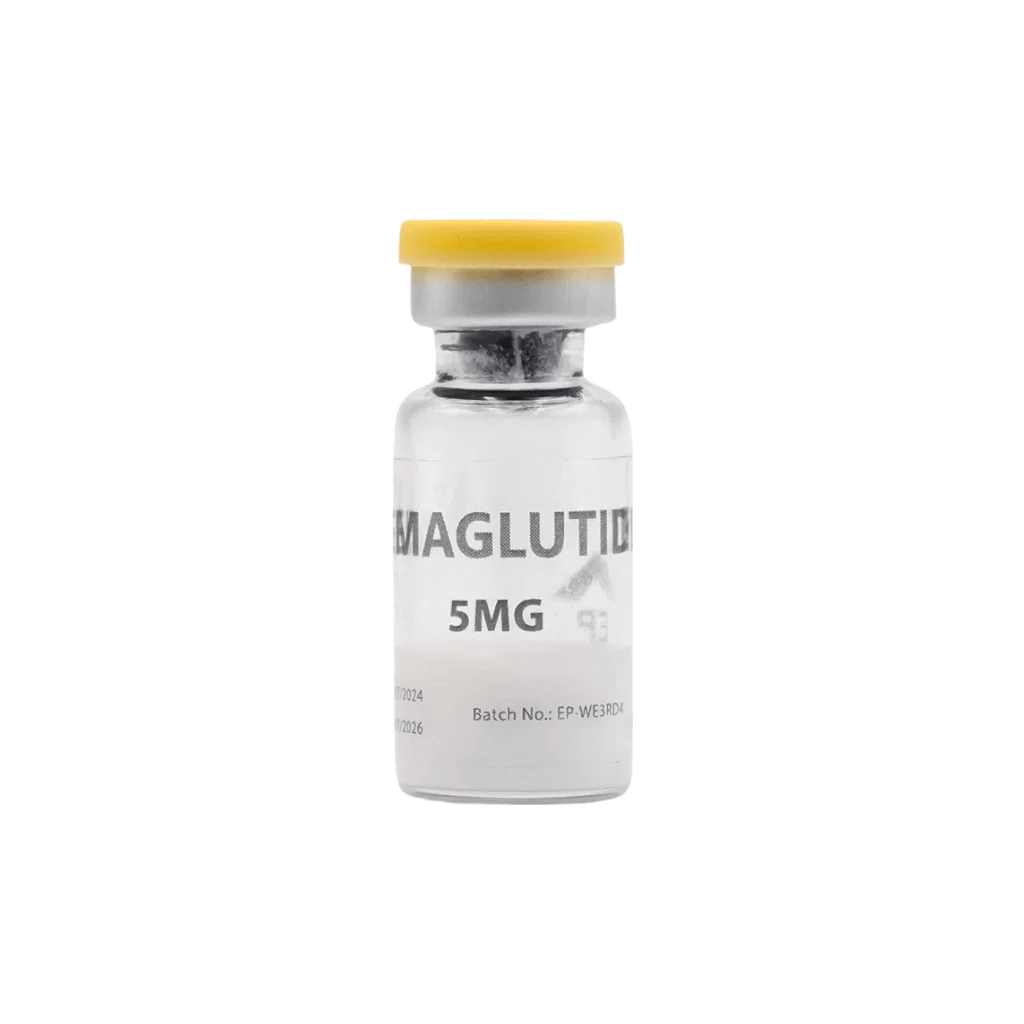
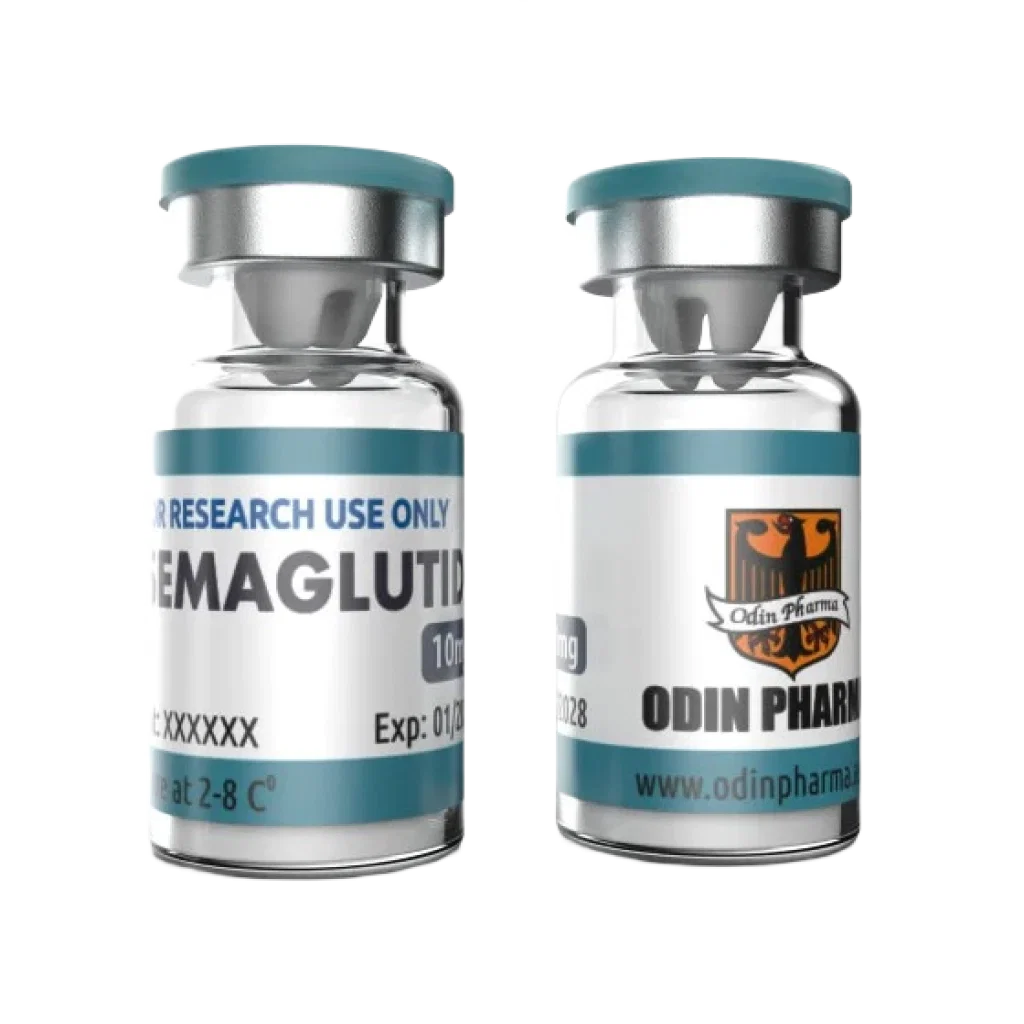
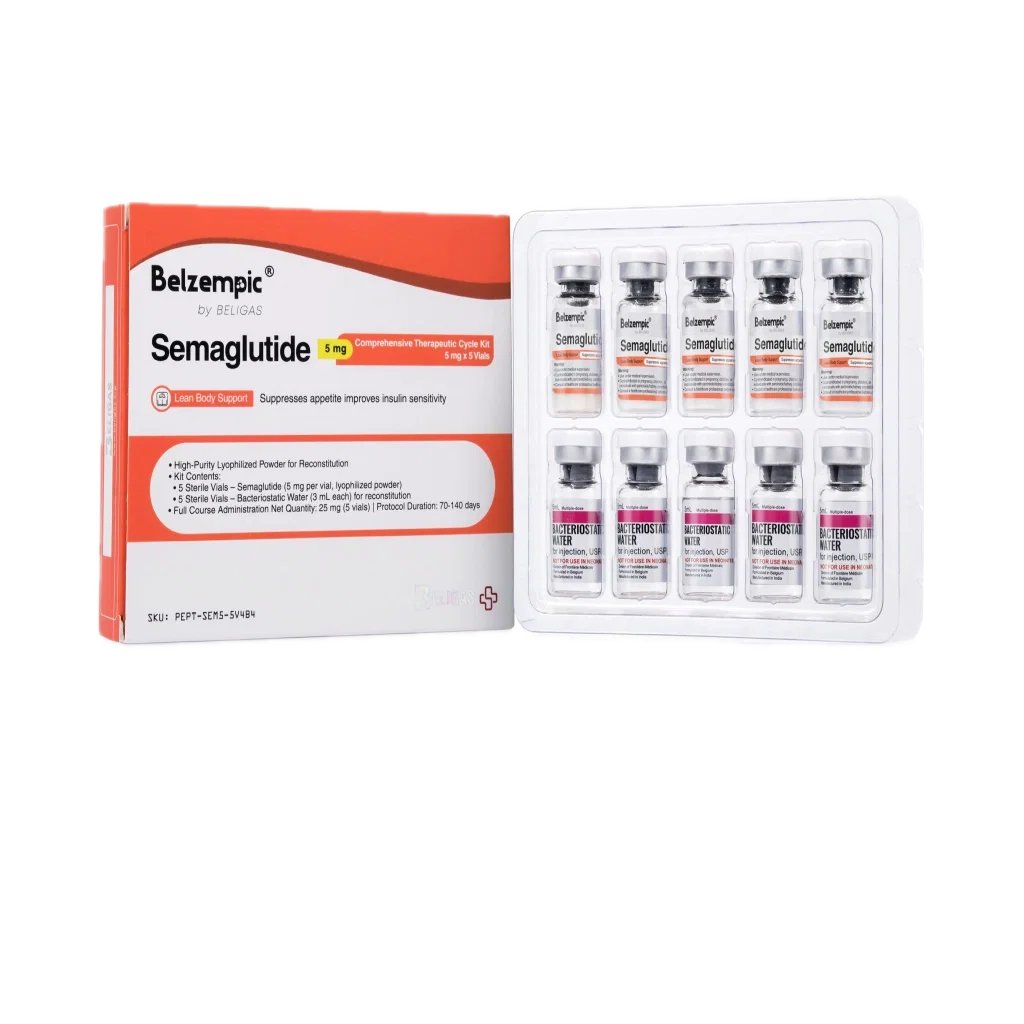
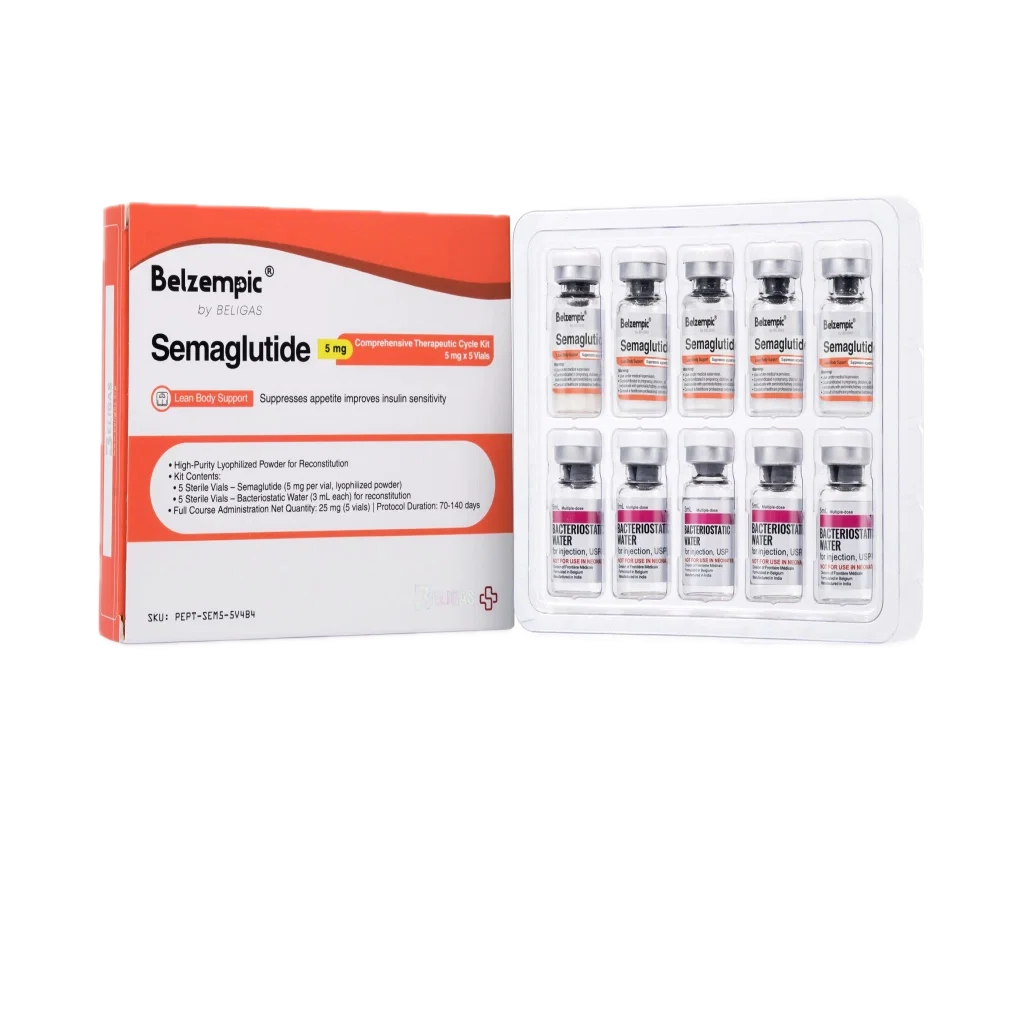


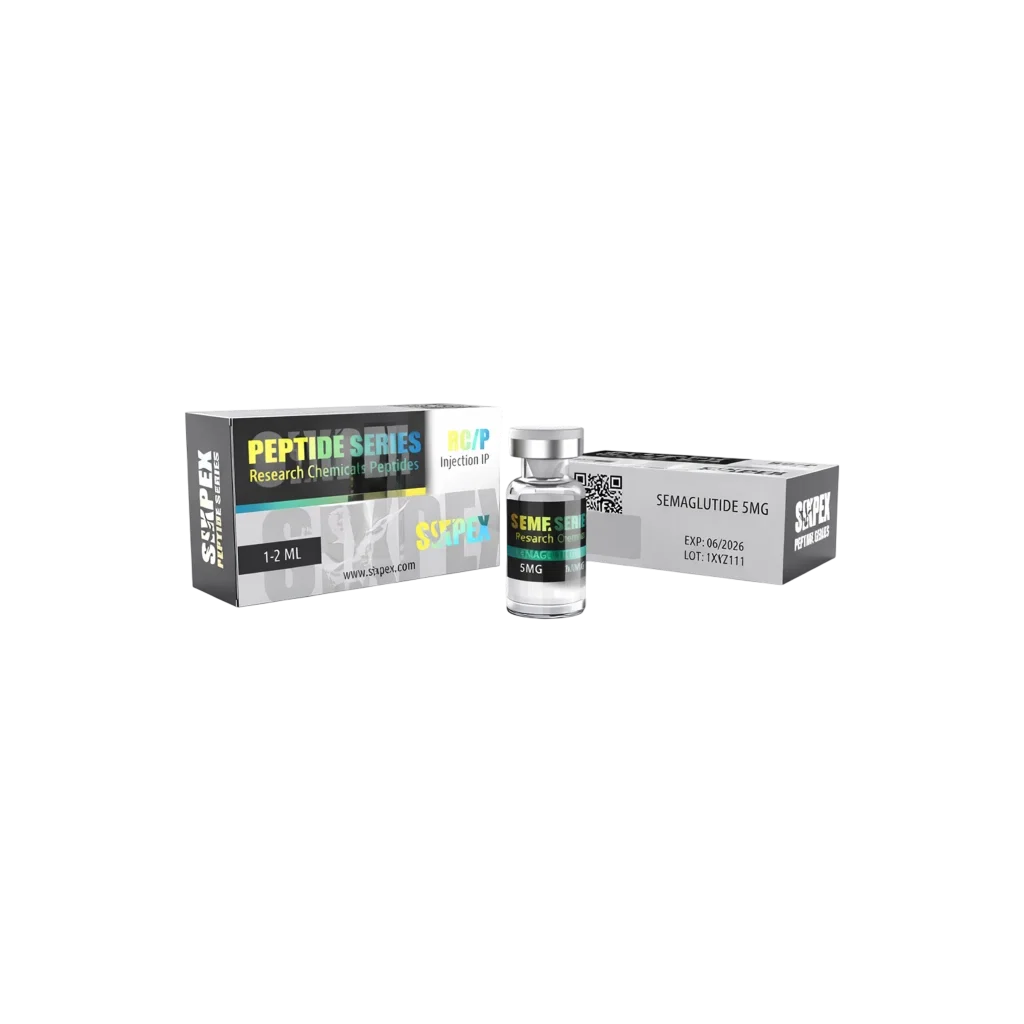

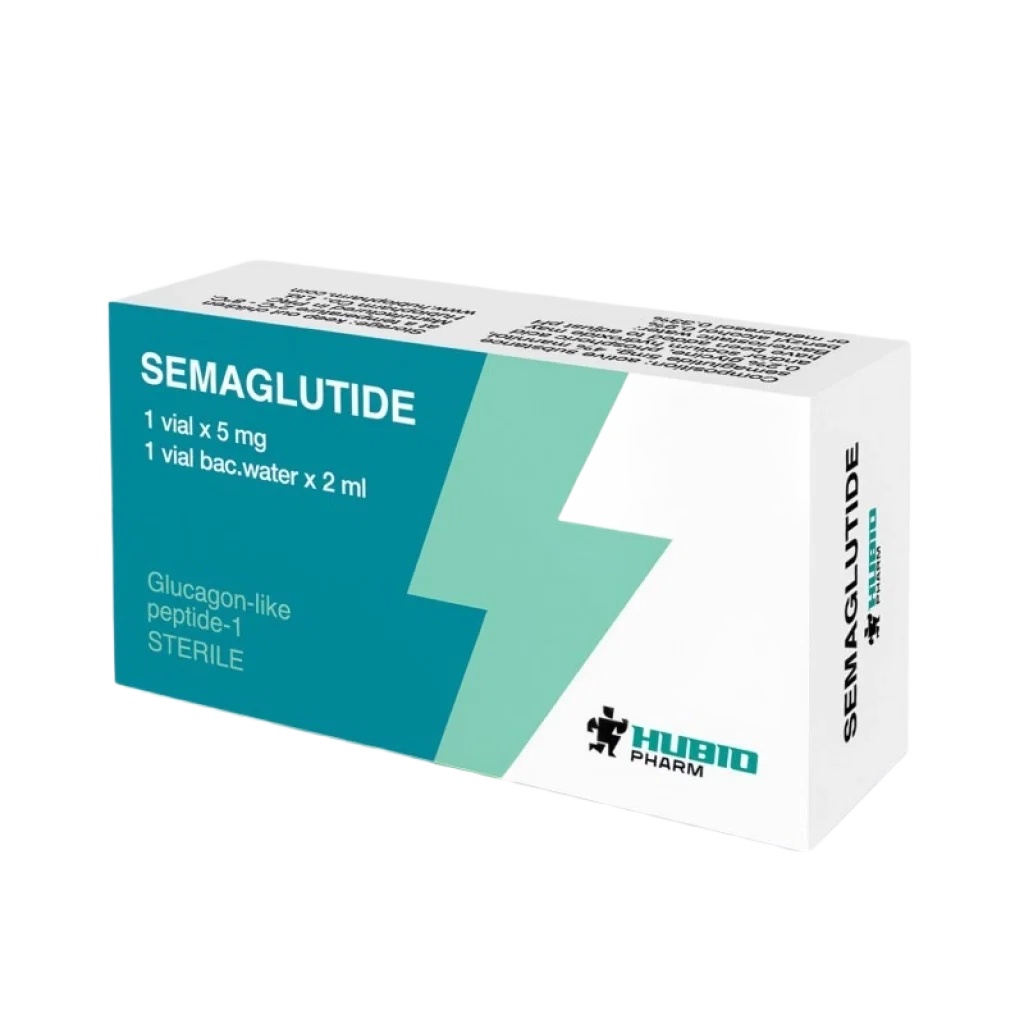
About Semaglutide
What Is Semaglutide? Uses, Dosage, and How to Take It Safely Under Medical Supervision
This article is for informational purposes only and does not constitute medical advice. Semaglutide is a prescription medication and should only be used under a doctor's supervision.
One of the most talked-about medications of recent years, semaglutide was originally developed to treat type 2 diabetes but has become a worldwide phenomenon thanks to its powerful effect on weight loss. Known by brand names such as Ozempic, Wegovy, and Rybelsus, it is often called the "weight loss shot" on social media — but it is, in fact, a serious medical treatment. This guide covers what semaglutide is, how it works, when it is used, how to take it under medical supervision, and which side effects to watch for.
What Is Semaglutide?
Semaglutide belongs to a class of medications called GLP-1 receptor agonists. GLP-1 (glucagon-like peptide-1) is a natural hormone released from the intestines after eating: it sends a "fullness" signal, boosts insulin secretion, and helps balance blood sugar. The body breaks down natural GLP-1 within minutes, however. Semaglutide is a laboratory-engineered, far longer-lasting version — a single dose works for roughly a week.
Developed by the Danish pharmaceutical company Novo Nordisk, the drug was first approved in 2017 for type 2 diabetes as Ozempic. In 2021, a higher-dose version launched for chronic weight management as Wegovy. The tablet form, Rybelsus, is the first oral GLP-1 medication, created for patients reluctant to use injections. In December 2025, a once-daily 25 mg oral Wegovy was approved for weight management, and in March 2026 a high-dose weekly 7.2 mg injection (Wegovy HD) entered the market — the semaglutide family keeps growing every year.
How Does Semaglutide Work in the Body?
Semaglutide's effect comes down to three core mechanisms. The first is its effect on the appetite center: it acts on appetite-regulating centers in the hypothalamus, markedly reducing hunger. Most users report feeling satisfied with smaller portions and say thoughts of food no longer occupy their minds the way they used to.
The second is that it slows gastric emptying, reducing the speed at which food passes from the stomach into the intestine — fullness lasts longer and the urge to snack decreases. The third is its blood sugar–regulating effect: it stimulates insulin secretion only when blood sugar rises and suppresses glucagon, the hormone that drives the liver to produce unnecessary sugar. Thanks to this "smart" mechanism, the risk of serious hypoglycemia is low when the drug is used alone.
Together, these effects improve blood sugar control in type 2 diabetes while naturally reducing calorie intake to produce meaningful weight loss. In clinical trials, participants on weekly 2.4 mg semaglutide plus a diet and exercise program lost an average of roughly 15 percent of their body weight — among the strongest results ever achieved without surgery.
What Is Semaglutide Used For?
Treatment of Type 2 Diabetes
Semaglutide's primary use is type 2 diabetes. When blood sugar does not reach target despite diet, exercise, and first-line treatments such as metformin, doctors may add semaglutide. It significantly lowers HbA1c (the three-month average blood sugar marker), and large trials show it reduces cardiovascular events such as heart attack and stroke — which is why it is particularly favored in diabetes patients with high cardiac risk.
Obesity and Chronic Weight Management
Semaglutide is approved in addition to a reduced-calorie diet and increased physical activity for individuals with a BMI of 30 or above, or a BMI over 27 plus at least one weight-related condition such as hypertension, type 2 diabetes, or high cholesterol. The critical point: semaglutide is not a "slimming cure" but a medical tool for treating obesity as a chronic disease. Use by normal-weight individuals for cosmetic reasons is both off-label and risky.
Cardiovascular Protection and Other Areas
Recent research shows semaglutide reduces heart attack and stroke risk in overweight people with heart disease, and these findings have been added to its approved indications. Promising studies are ongoing in chronic kidney disease, fatty liver disease, and sleep apnea — but use in these areas is a decision only the relevant specialist can make.
Semaglutide Forms: The Differences Between Ozempic, Wegovy, and Rybelsus
All three products contain the same active substance; the differences lie in dose, method of use, and approved indications. Ozempic is the weekly injection approved for type 2 diabetes, at doses from 0.25 mg to 2 mg. Wegovy is the weekly injection approved for chronic weight management; the standard target dose is 2.4 mg, with a 7.2 mg high-dose option as of 2026. Rybelsus is the once-daily tablet for type 2 diabetes, while the 25 mg daily oral tablet approved in December 2025 offers a needle-free option for weight management.
Only your doctor can decide which form and dose are right for you. Off-label use of a diabetes-approved product for weight loss makes access harder for diabetes patients and carries serious risks without medical oversight.
How Is Semaglutide Used Under Medical Supervision?
Pre-Treatment Evaluation
Before starting semaglutide, your doctor reviews your medical history, current medications, any thyroid or pancreatic disease, kidney function, and pregnancy status. Blood tests measure fasting glucose, HbA1c, and kidney and liver values. This step must not be skipped: semaglutide is not suitable for everyone, and in some situations it must never be used.
Starting Low and Increasing the Dose Gradually
The most important rule of semaglutide use is to start low and increase gradually. Injectable treatment typically begins with 0.25 mg once weekly — a non-therapeutic starting dose whose purpose is to let the body, especially the digestive system, adjust. After four weeks the dose rises to 0.5 mg, then increases at four-week intervals per the doctor's schedule until the target is reached (1–2 mg for diabetes, 2.4 mg for weight management). This slow titration is the proven way to minimize nausea and vomiting. If side effects are pronounced, your doctor may delay an increase or lower the dose — never make these decisions on your own.
Administering the Injection Correctly
The weekly injection is given under the skin (subcutaneously) using ready-to-use pens, in the abdomen (at least 5 cm from the navel), the front of the thigh, or the upper arm. Inject on the same day each week and rotate the site every time to prevent hardening and irritation. Pens should be refrigerated at 2–8°C, never frozen; after first use they can be kept at room temperature for a limited period per the manufacturer's instructions. If you miss a dose, what to do depends on how long remains until the next one — consult the package insert and your doctor.
Taking the Tablet Form
The rules are different for patients taking oral semaglutide. The tablet must be taken in the morning on an empty stomach, at least 30 minutes before the first food, drink, or other medication of the day, with no more than half a glass (about 120 ml / 4 oz) of water. The tablet must not be chewed, split, or crushed. Ignoring these rules seriously reduces the drug's absorption and renders the treatment ineffective.
Regular Follow-Up and Check-Ups
Semaglutide cannot be run on a "prescribe and forget" basis. Your doctor evaluates your weight, blood sugar, kidney function, and side effects at regular intervals. In diabetes patients, the dose of other glucose-lowering drugs (especially insulin and sulfonylureas) may need to be reduced to avoid hypoglycemia. If weight loss is rapid, dietary adjustments and resistance exercise help prevent muscle loss. Treatment duration, progress toward goals, and eventual discontinuation are likewise planned with the physician.
What Are the Side Effects of Semaglutide?
Like every effective medication, semaglutide has side effects. The most common involve the digestive system: nausea, vomiting, diarrhea, constipation, indigestion, and abdominal pain. These complaints mostly appear in the first weeks of treatment and during dose increases, and they generally ease as the body adjusts. Eating small portions, avoiding fatty and heavy foods, eating slowly, and drinking enough water can help relieve symptoms during this period.
Rarer but serious side effects are also known. Severe, persistent abdominal pain can signal pancreatitis and requires urgent evaluation. Rapid weight loss can raise the risk of gallstones and gallbladder inflammation. In patients with diabetic retinopathy, rapid improvement in blood sugar can temporarily worsen the condition, so eye monitoring matters. Rare cases of dehydration-related kidney impairment have been reported; stay hydrated during periods of nausea and vomiting. Because thyroid C-cell tumors were observed in rodent studies, semaglutide is not used in people with a personal or family history of medullary thyroid cancer or with MEN 2 syndrome. If neck swelling, hoarseness, or difficulty swallowing develops, see a doctor without delay.
Who Should Not Use Semaglutide?
Semaglutide is not used in women who are pregnant, planning pregnancy, or breastfeeding; those using it for weight management should stop at least two months before a planned pregnancy. It may be unsuitable, or require close monitoring, in type 1 diabetes, prior diabetic ketoacidosis, serious gastrointestinal disease (such as gastroparesis), or prior pancreatitis. Patients scheduled for surgery must inform the anesthesia team they are taking it, since it slows stomach emptying.
Diet and Lifestyle While Taking Semaglutide
Semaglutide does not replace healthy habits; it amplifies them. Because appetite decreases during treatment, the smaller amount of food eaten must be nutritious: adequate protein (to prevent muscle loss), fiber-rich foods (to reduce constipation), and plenty of water. At least 150 minutes of moderate activity per week plus two days of resistance exercise improve the quality of weight loss and help maintain it after stopping. Alcohol should be limited — it disturbs blood sugar balance and burdens the pancreas.
How Long Does Semaglutide Treatment Last?
Because obesity and type 2 diabetes are chronic conditions, semaglutide treatment is a long-term process for most patients — not a "course" lasting a few weeks. International guidelines recommend assessing effectiveness for weight management within the first three to six months. If the targeted weight loss (usually at least five percent of starting weight) is not achieved, your doctor may reconsider the treatment, adjust the dose, or switch approaches. For patients who reach their goal, treatment duration is determined individually based on benefit, side effects, coexisting conditions, and preference. Stopping abruptly lets appetite return quickly and lost weight come back fast, so discontinuation, like initiation, should be planned with the doctor — tapering if necessary and reinforcing lifestyle measures.
Beware of Counterfeit and Unverified Products
Intense demand has brought counterfeit pens and compounded mixtures of unknown origin to the market. Health authorities have repeatedly found products sold online without a prescription to contain the wrong substance or dose, or to be produced in non-sterile conditions. Semaglutide should only be obtained from a pharmacy, with a prescription, in original packaging. "Weight loss shots" marketed on social media have been linked to serious poisoning and hypoglycemia cases.
Availability can also fluctuate due to periodic global supply shortages; in such cases, decisions about alternatives belong to the physician. Pens obtained informally or from abroad may lose effectiveness without proper cold-chain storage — a medication's safety depends not only on its contents but on how it is stored and supplied.
Frequently Asked Questions
Can I get semaglutide without a prescription?
No. Semaglutide is prescription-only and should be used only after a medical evaluation. Products from unverified sources may be counterfeit or unsafe.
How much weight can you lose with semaglutide?
In clinical trials, the weekly 2.4 mg dose produced an average loss of about 15% of body weight. Results vary and do not last without diet and exercise support.
Will I regain weight after stopping semaglutide?
The appetite-suppressing effect disappears once the drug is stopped, so regaining part of the lost weight is common. Plan any discontinuation with your doctor.
What are the most common side effects?
Nausea, vomiting, diarrhea, constipation, and abdominal pain usually during dose increases, fading over time. See a doctor immediately for severe abdominal pain.
How often is the injection given?
Once a week, preferably on the same day each week. The tablet form is taken once daily, every morning on an empty stomach.
Who cannot use it?
People with a history of medullary thyroid cancer, MEN 2 syndrome, and women who are pregnant or breastfeeding. Anyone with prior pancreatitis or gallbladder problems should inform their doctor.
Conclusion: A Powerful Medication, But Only in the Right Hands
Semaglutide is one of the most important advances of the past two decades in treating type 2 diabetes and obesity. It regulates blood sugar, protects the heart, and delivers meaningful weight loss — life-changing in the right patient under medical supervision, but capable of serious harm in the wrong person, at the wrong dose, or without follow-up. Trust your physician's evaluation, not social media trends. The only safe way to learn whether semaglutide is right for you is to consult an internal medicine or endocrinology specialist.
Disclaimer: This content is for general informational purposes and is not a substitute for professional medical advice, diagnosis, or treatment. Always consult your doctor for all decisions regarding medication use.